

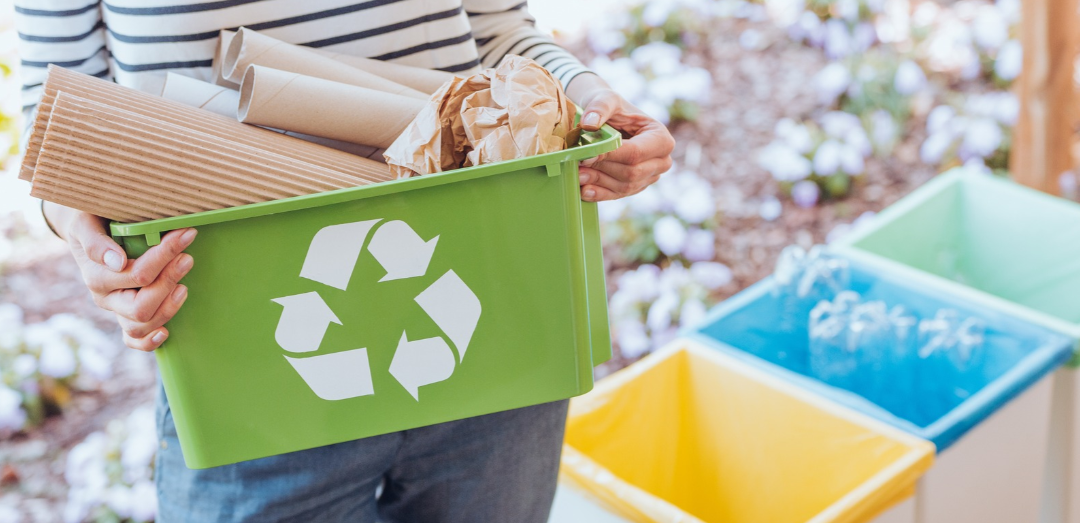
Most businesses that establish recycling programs do so with a straightforward goal: reduce waste and make better use of materials that would otherwise be discarded. Providing collection bins, arranging recycling services, and encouraging employees to participate are important steps. However, the effectiveness of a recycling program depends on more than how much material is collected.
Recycling contamination occurs when non-recyclable items enter a recycling stream or when otherwise recyclable materials are mixed with substances that make them difficult to process. A discarded lunch container with leftover food, a plastic bag placed in the wrong collection bin, or liquids spilled onto paper and cardboard can all affect what happens after materials leave a business.
For organizations trying to reduce waste, contamination is worth understanding because it can introduce additional processing costs, reduce the value of collected materials, and limit how much is ultimately recycled. Addressing those problems often begins with improving everyday collection practices rather than investing in an entirely new recycling program.
What Recycling Contamination Actually Means
Recycling is a process that extends well beyond placing materials into a designated container. Once collected, recyclable materials are transported to facilities where they are sorted, prepared, and eventually supplied to manufacturers that use recovered materials to produce new products.
The U.S. Environmental Protection Agency (EPA) explains that recycling involves collection, processing, and manufacturing. Materials must be suitable for processing before they can become useful inputs for new products. Contamination interferes with that process. It can involve items that a particular recycling facility does not accept, such as certain plastic packaging or bags, as well as food residue, liquids, and other substances that compromise otherwise recyclable materials.
An important distinction is that an item being technically recyclable does not necessarily mean it belongs in every recycling program. Different facilities accept different materials based on their equipment, processing capabilities, and available markets.
For businesses, this means recycling guidelines should reflect what their actual collection provider accepts rather than relying solely on recycling symbols or general assumptions about a material.
The Financial Cost of Recycling Contamination
The costs associated with recycling contamination are not always visible at the point of collection. A business may see its recycling bins being emptied regularly without knowing whether the materials inside require additional sorting or are being rejected later in the process.
Contamination can create costs throughout the recycling system. Unacceptable materials may require additional labor to remove, interrupt processing equipment, increase disposal expenses, or reduce the market value of recovered materials.
Research published by The Recycling Partnership identifies several contamination-related cost categories, including labor, facility downtime, equipment impacts, disposal, worker injuries, and lost material value.
These are costs experienced within the broader recycling system, not necessarily direct charges to every business. However, depending on service agreements and local conditions, contamination may contribute to higher collection or processing costs, additional fees, or changes in how recycling services are provided.
The financial impact also extends beyond disposal. When recoverable materials are rejected or damaged, their potential value as inputs for manufacturing can be reduced or lost.
This makes material quality an important consideration alongside collection volume.
Why Contamination Happens in the Workplace
Recycling contamination is often the result of uncertainty rather than a lack of interest in sustainability.
In an office, employees may be unsure whether a particular food container belongs in recycling. In a warehouse, different packaging materials may be placed into the same bin for convenience. In a restaurant or hospitality setting, food residue and liquids can become mixed with recyclable containers during busy periods.
These situations share a common problem: the collection system does not always make the correct decision easy.
Confusing labels, inconsistent bin placement, unclear material requirements, and limited employee guidance can all contribute to contamination. Even a well-designed recycling program can produce disappointing results when everyday procedures do not match how people actually use the space.
There is also the issue of wishcycling, which occurs when someone places an uncertain item into recycling in the hope that it can be processed. Although the intention is positive, adding materials that a facility cannot accept can create problems for the rest of the recycling stream.
The EPA's guidance on improving recycling practices emphasizes checking local acceptance requirements, keeping food and liquids out of recycling bins, and avoiding plastic bags and wraps in standard collection streams.
For businesses, reducing these mistakes begins with making expectations clear and consistent across departments, work areas, and collection points.
How Contamination Affects More Than the Recycling Bin
Contamination can affect the performance of a recycling program in several ways.
When unacceptable items reach a materials recovery facility, workers or equipment may need to separate them from the rest of the material. Certain items, particularly plastic films and other materials that can become tangled, can interfere with sorting equipment. Food and liquids may also damage the quality of paper and cardboard.
These challenges are relevant locally as well. The Town of Collierville's recycling guidelines explain that unacceptable materials collected through its curbside recycling program can result in additional contamination fees charged to the town. Materials that cannot be recycled may also end up in a landfill rather than being recovered for reuse.
Although these guidelines apply to Collierville's municipal collection program rather than every commercial recycling service, they illustrate how contamination can create additional costs and reduce the amount of material successfully recycled.
For businesses tracking sustainability performance, this raises an important distinction between materials collected for recycling and materials actually recovered for reuse in manufacturing.
A business may report that a certain volume of material was placed into recycling containers, but that does not necessarily mean all of it was successfully recycled.
Understanding that difference helps organizations evaluate recycling performance more accurately and identify where improvements may be needed.
Identifying Contamination Before It Becomes a Larger Problem
Businesses do not always need to make major changes to identify opportunities for improvement. Often, the most useful starting point is understanding what is currently entering their waste and recycling streams.
A review of collection practices can reveal whether recyclable materials are being placed in trash containers, whether recycling bins regularly contain unacceptable items, or whether certain departments generate recurring contamination problems.
This is one reason a waste audit can be valuable. Rather than relying on assumptions about employee behavior or recycling performance, an audit provides a clearer picture of what materials are being discarded and how they are being managed.
As discussed in our article on why every successful zero waste strategy starts with a waste audit, understanding existing waste streams provides a foundation for identifying realistic improvements.
For example, an audit may show that recyclable cardboard is regularly mixed with food waste in a shared collection area. That finding could lead to a relatively simple operational change, such as relocating containers, adjusting signage, or separating collection points based on how the space is used.
The objective is not simply to identify incorrect disposal practices. It is to understand why those practices occur and how the system can be improved.
Practical Ways Businesses Can Reduce Recycling Contamination
Once an organization understands where contamination is occurring, improvements can often be introduced through a combination of clearer communication, better collection design, and ongoing evaluation.
Some practical measures include:
-
Confirm accepted materials with the recycling provider. Establish guidelines based on what the actual collection and processing system accepts rather than assuming every recyclable-looking item belongs in the same bin.
-
Use clear, consistent signage. Place simple instructions near collection points, ideally with examples of materials commonly generated in that specific workplace.
-
Position bins where decisions are made. Recycling and trash containers should be convenient and clearly distinguishable, particularly in shared kitchens, breakrooms, production areas, and other high-use locations.
-
Provide practical employee guidance. Explain common sorting mistakes and why they matter. Short, recurring reminders may be more useful than a one-time announcement.
-
Review results and make adjustments. Periodically examine collection practices, ask service providers about contamination concerns, and update procedures when recurring problems appear.
These measures work best when they are adapted to the workplace. An office building, manufacturing facility, restaurant, and distribution center may generate very different materials and require different approaches to collection.
The goal is to make correct sorting part of normal operations rather than an additional task employees must continually stop to think about.
Why Better Recycling Starts With Reducing Waste
Improving recycling quality is important, but it should not be the only objective of a business waste reduction program.
The EPA's waste management hierarchy places source reduction and reuse ahead of recycling because preventing waste from being generated can reduce the need for collection, processing, and disposal in the first place.
For businesses, this might involve evaluating unnecessary packaging, reducing disposable materials, improving purchasing practices, or finding opportunities to reuse supplies and equipment.
These decisions can complement recycling improvements. When fewer unnecessary materials enter a facility, employees may have fewer disposal decisions to make, and the remaining recycling streams may become easier to manage.
This broader approach is also central to going green and staying green through zero waste practices, where progress depends on making sustainability part of ongoing operational decisions rather than treating recycling as a stand-alone activity.
Recycling contamination is therefore not just a collection issue. It can be an indicator of opportunities to improve how materials are purchased, used, handled, and ultimately discarded.
Building a Recycling Program That Delivers Better Results
A successful business recycling program should do more than collect materials in designated bins. It should make it easier for recyclable materials to reach the facilities and manufacturers that can put them to productive use.
Reducing contamination supports that outcome by improving material quality, limiting avoidable processing problems, and helping organizations understand how well their recycling practices are working.
For many businesses, meaningful improvements begin with straightforward questions: What materials are being generated? Which ones can actually be recycled through the current provider? Where are sorting mistakes occurring? And what changes would make the correct disposal method easier to follow?
Answering those questions can provide a foundation for better waste management decisions, whether an organization is refining an existing recycling program or developing a broader zero waste strategy.
Green365 helps organizations examine their waste streams, identify opportunities for improvement, and develop practical approaches to long-term sustainability. Businesses interested in evaluating their current practices can schedule a free consultation to discuss their waste reduction goals and next steps.