

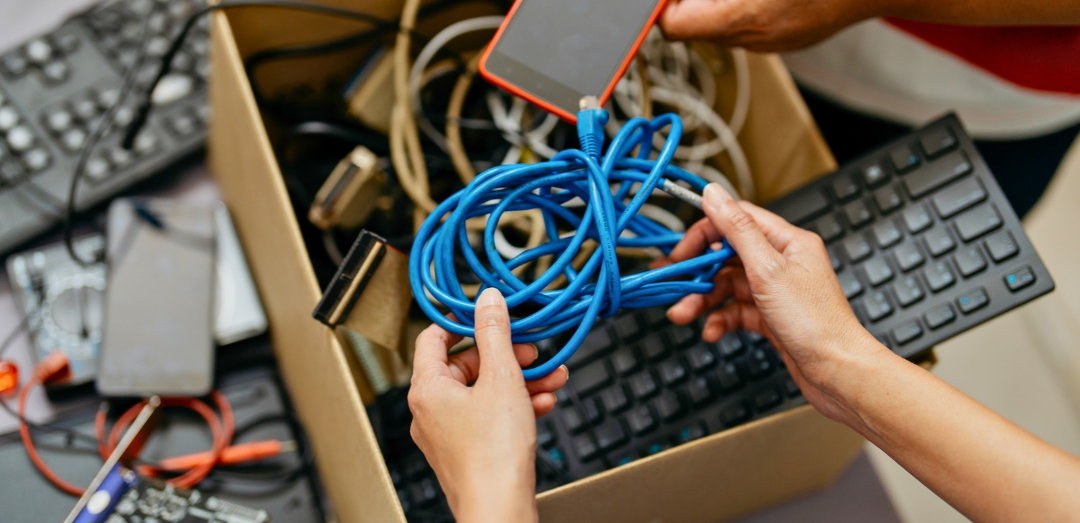
Electronic devices are part of everyday life, from the phones and computers used at home to the equipment businesses rely on for daily operations. As technology changes, these devices are eventually replaced, upgraded, or retired. What happens afterward is often less clear.
E-waste recycling offers a way to recover useful materials from electronics that can no longer be used. However, responsible electronics management involves more than collecting old devices and sending them to a recycling facility. Reuse, refurbishment, data security, material recovery, and proper handling all play a role in determining what happens to equipment at the end of its useful life.
For homeowners and businesses, understanding this process can make it easier to manage unwanted electronics responsibly while reducing unnecessary waste.
What Is E-Waste Recycling?
Electronic waste, commonly called e-waste, refers to discarded electronic products and equipment. This can include computers, monitors, smartphones, printers, televisions, networking equipment, and many other devices.
Unlike ordinary household or office waste, electronics contain a combination of materials that may have value when recovered. Metals, plastics, glass, and electronic components are assembled into products that require specialized processes to separate and manage.
The U.S. Environmental Protection Agency (EPA) explains that electronic products contain valuable natural resources and materials that require energy to mine and manufacture. Donating or recycling electronics can help conserve those resources and reduce the environmental impacts associated with producing new materials.
This makes e-waste recycling an important part of broader waste reduction efforts. Instead of viewing outdated electronics solely as items to discard, responsible management considers whether the equipment or its materials still have a useful purpose.
What Happens to Electronics After They Are Collected?
The process begins with determining what condition the equipment is in and whether it can still be used.
Some electronics may be suitable for continued use after basic maintenance, repairs, or refurbishment. Others may have components that can be recovered for use in other equipment. Devices that are no longer practical to reuse may be directed toward material recycling.
At a specialized recycling facility, equipment can be sorted by product type and material composition. Depending on the device and the facility's capabilities, processing may involve dismantling equipment, separating components, and using mechanical or other specialized methods to recover metals, plastics, and additional materials.
Those recovered materials can then enter supply chains where they may be used in manufacturing new products.
The exact process varies considerably. A computer, television, printer, and rechargeable battery do not necessarily follow the same recycling pathway. Different materials require different handling methods, and not every facility can process every type of electronic equipment.
This is one reason selecting an appropriate recycling provider matters.
Why Valuable Materials Are Worth Recovering
Modern electronics depend on materials that require substantial resources to extract, process, and manufacture.
Copper, aluminum, steel, and certain precious metals are used throughout electronic devices. Some products also contain critical minerals that support batteries and other technologies.
When electronics are discarded without appropriate recovery, some of those materials may be lost from productive use. Recovering them can reduce demand for newly extracted materials, although the environmental and economic benefits depend on the materials involved and the efficiency of the recovery process.
The EPA's guidance on sustainable electronics management emphasizes the importance of recovering critical materials, reducing waste, and preventing pollution.
However, material recovery is not always straightforward. Electronics contain multiple materials joined together in compact designs, and separating them can require specialized equipment and processing. Some materials are easier or more economical to recover than others.
Understanding these limitations helps explain why responsible electronics recycling requires dedicated facilities rather than ordinary mixed recycling programs.
Why Reuse and Refurbishment Matter Before Recycling
Recycling is valuable, but it is not always the first or most beneficial option for an unwanted electronic device.
A functioning computer may still be useful to another person or organization. Equipment that no longer meets a business's performance needs might remain suitable for less demanding applications. In some cases, replacing or upgrading components can extend a product's useful life.
The EPA encourages consumers to consider upgrading computer hardware or software before replacing an entire device. Extending the useful life of equipment can help preserve the resources and energy already invested in manufacturing it. It can also delay the need for replacement products.
For businesses, this may involve reviewing equipment replacement schedules, identifying devices suitable for refurbishment, or establishing procedures for donating functional equipment when appropriate.
Once a device is no longer practical to reuse, recycling becomes an important option for recovering materials that can continue serving a purpose.
Responsible E-Waste Recycling Requires the Right Provider
Not every organization collecting electronics follows the same processing, environmental, or data-security practices.
For businesses especially, selecting a recycling provider involves more than finding someone willing to take unwanted equipment. Organizations may need to consider how materials are handled, whether equipment is processed safely, and what happens to items transferred to downstream facilities.
The EPA recommends using certified electronics recyclers and identifies two recognized certification standards: Responsible Recycling (R2) and e-Stewards. These certification programs address environmental practices, worker health and safety, data security, and responsible management of materials.
Certification provides a useful starting point for evaluating a recycler, although businesses should still confirm the provider's current certification status, accepted equipment, services, and documentation procedures.
For organizations replacing significant amounts of equipment, understanding these practices can help support more consistent and accountable electronics management.
Data Security Is Part of Responsible Electronics Disposal
Environmental considerations are only one part of the decision to retire electronic equipment.
Computers, smartphones, tablets, servers, and other devices may contain personal information, business records, customer data, or other sensitive material. Simply removing a device from service does not necessarily remove the information stored on it.
Before electronics are donated, refurbished, or recycled, appropriate data removal or destruction procedures should be completed.
The EPA advises consumers to delete personal information before donating or recycling electronics. For businesses, the process may require additional controls based on the type of information stored, internal policies, and applicable legal requirements.
A responsible equipment retirement process should therefore address both the physical device and the information it contains.
Businesses may also want documentation showing how equipment was handled and how data-bearing components were sanitized or destroyed.
Batteries Create Additional Recycling Considerations
Many electronic devices contain rechargeable lithium-ion batteries. These batteries require particular attention because improper handling can create safety risks during collection, transportation, and processing.
The EPA explains that lithium-ion batteries should not be placed in ordinary trash or household recycling bins. Batteries damaged during waste collection or sorting can create fire hazards. Instead, batteries and devices containing them should be directed to appropriate collection programs or recyclers that accept those materials.
For businesses, discarded batteries may also be subject to specific waste-management requirements. The appropriate handling process depends on battery type, condition, quantity, and applicable regulations.
This is particularly relevant for organizations managing large numbers of laptops, mobile devices, power tools, or other rechargeable equipment.
Separating electronics from ordinary recycling and confirming battery-handling requirements with the receiving provider can help reduce avoidable risks.
Making E-Waste Recycling Part of Business Operations
For businesses, electronics recycling is often treated as an occasional task associated with replacing computers or clearing out storage areas. A more consistent approach can make equipment management easier and support broader sustainability goals.
A practical process might include:
-
Maintain an equipment inventory. Track devices throughout their useful lives so outdated equipment can be identified and managed systematically.
-
Evaluate reuse opportunities. Determine whether devices can be repaired, upgraded, reassigned, or refurbished before sending them for material recycling.
-
Establish data-security procedures. Ensure that information stored on retired devices is appropriately removed or destroyed.
-
Work with qualified recycling providers. Confirm accepted materials, relevant certifications, and documentation requirements.
-
Track retired equipment. Record what is reused, donated, refurbished, or recycled to better understand the organization's material flows.
These steps can help businesses move away from treating old electronics as an unexpected disposal problem.
They also create opportunities to connect electronics management with purchasing decisions, equipment replacement schedules, and longer-term waste reduction planning.
Connecting Electronics Recycling to a Broader Zero Waste Strategy
Electronic waste is one part of a much larger conversation about how organizations manage materials.
A business may have an effective paper and cardboard recycling program while still lacking a clear process for retiring computers, printers, or other electronic equipment. These materials often require different handling methods and may fall outside the scope of conventional collection services.
Understanding what enters and leaves an organization is an important starting point for identifying those gaps.
A waste audit can help businesses examine existing disposal practices, recognize overlooked waste streams, and identify opportunities for improvement.
As we've discussed in our approach to going green and staying green through zero waste practices, lasting progress depends on incorporating waste reduction into everyday operational decisions rather than treating recycling as an isolated activity.
Electronics management fits naturally into that approach. Extending product life, making responsible purchasing decisions, choosing appropriate recycling partners, and tracking material recovery can all contribute to a more thoughtful use of resources.
Taking a More Practical Approach to Old Electronics
As technology continues to change, homes and businesses will continue to replace electronic equipment. The question is how those devices are managed when they are no longer needed.
Responsible e-waste recycling begins with recognizing that discarded electronics may still contain useful components and recoverable materials. It also requires understanding the limitations of recycling, protecting sensitive information, and selecting appropriate collection and processing services.
For businesses, developing a consistent process for equipment retirement can support waste reduction goals while improving accountability and long-term planning.
Green365 works with organizations to evaluate waste streams, identify practical opportunities for improvement, and develop more sustainable operational practices. If your business is reviewing its waste management approach, you can schedule a free consultation to discuss opportunities for reducing waste and improving material management.