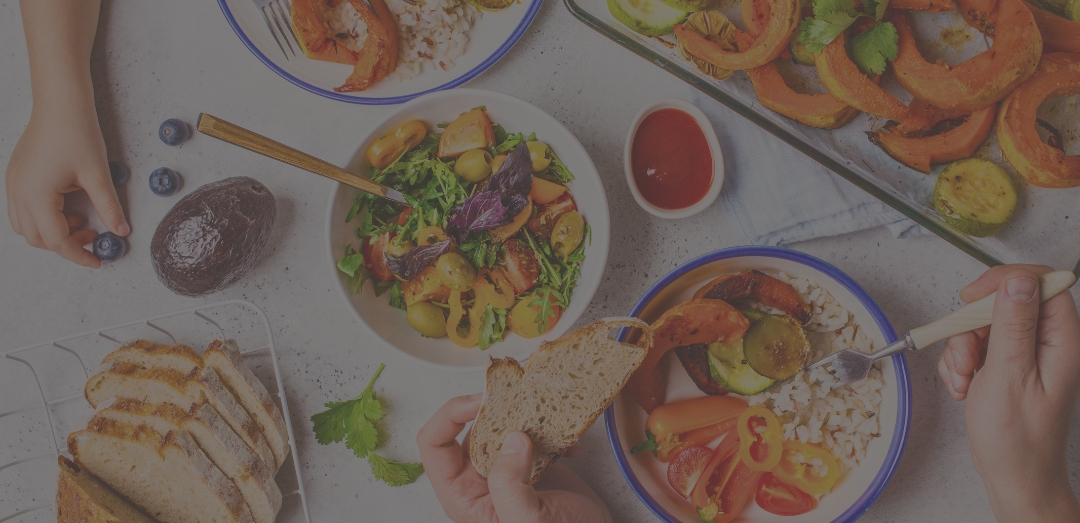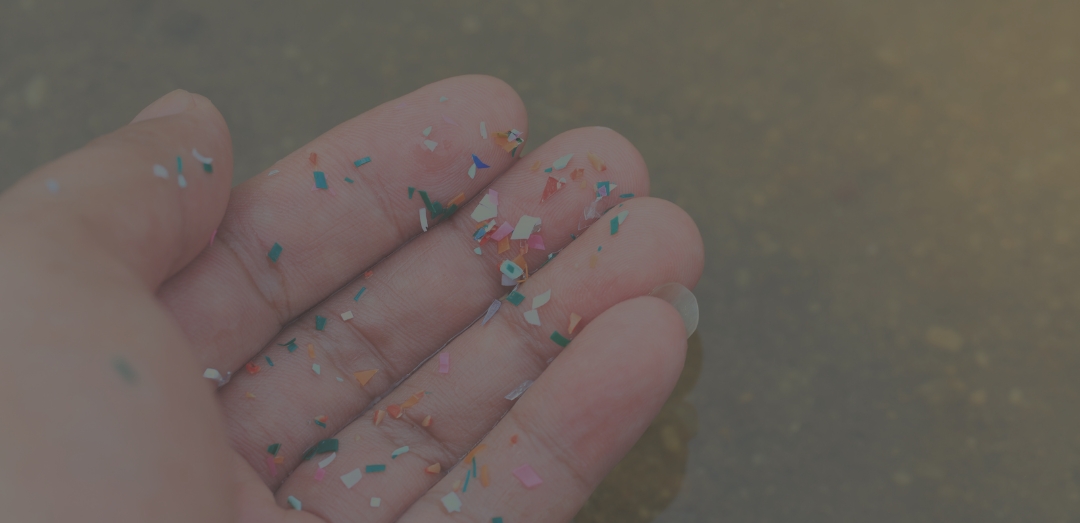

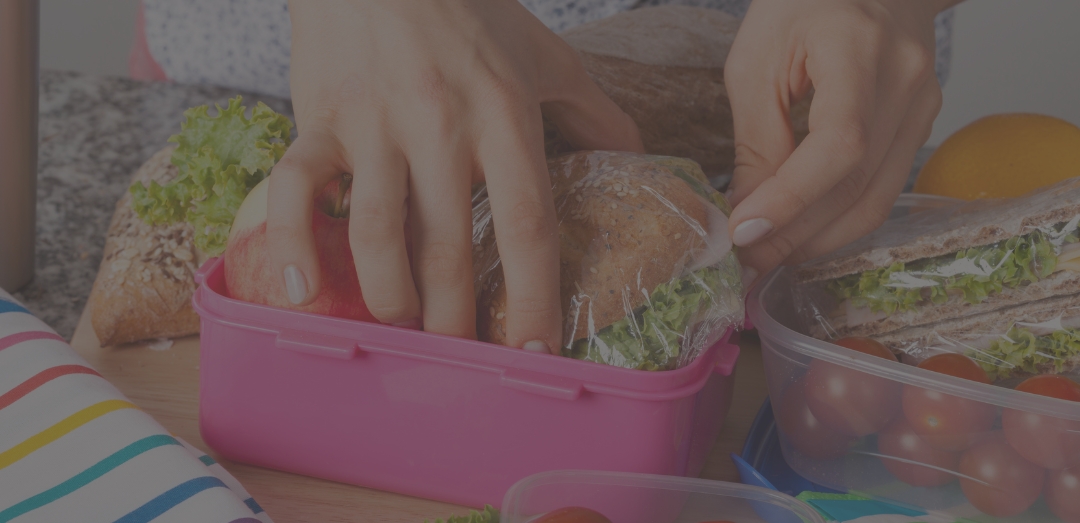
For many households, plastic is simply part of daily life. It shows up in food storage containers, reusable bottles, kitchen tools, and cleaning supplies—often without much thought about how it behaves over time. At the same time, conversations around plastic tend to focus on large-scale environmental issues like ocean pollution or landfill overflow. Those concerns are valid, but they can …
How to Eat Like a Vegetarian: Better for You, Better for the Planet
Eating like a vegetarian is one of the simplest ways to support both personal health and environmental sustainability. Research consistently shows that reducing meat consumption can significantly lower greenhouse gas emissions, water use, and land impacts tied to food production. Shifting meals toward plant-forward ingredients—like vegetables, legumes, and whole grains—offers a practical way to align everyday eating habits with climate-friendly …
Microplastics & Household Waste: Why Zero Waste Choices Matter
Microplastics from household waste are now one of the most widespread forms of pollution on the planet. These tiny plastic particles—often invisible to the eye—are released as everyday plastic products break down, wash away, or wear out. From food packaging and synthetic clothing to cleaning products and discarded plastics, what we use (and throw away) at home plays a direct …