

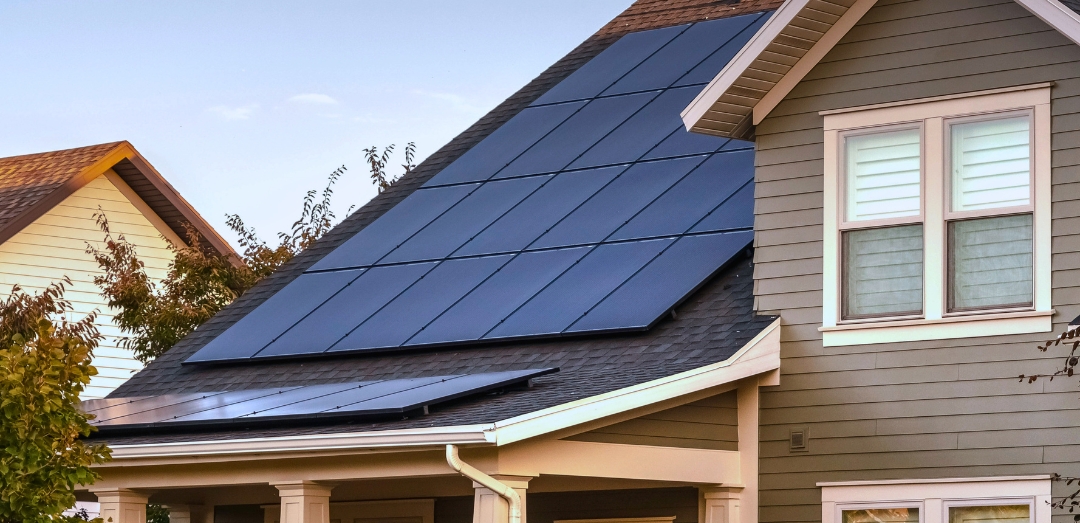
For years, solar energy has been framed primarily as an environmental decision—something homeowners or businesses consider as part of a broader commitment to sustainability.
That framing is still accurate, but it no longer tells the full story. As energy markets shift and costs become less predictable, solar is being evaluated through a different lens, one that focuses on long-term financial stability, operating costs, and risk management.
Recent data shows just how quickly this shift is happening. Renewable energy sources are now generating a significant share of global electricity, reflecting both technological progress and changing economic priorities.
Understanding what’s driving this change and what it means in practical terms can help clarify whether solar makes sense as part of a broader energy strategy.
Solar Energy Savings Are Becoming More Predictable
One of the biggest challenges in energy planning has always been variability. Traditional energy costs fluctuate based on fuel prices, supply constraints, and geopolitical factors often outside the control of individual consumers.
Solar shifts part of that equation. While there is an upfront investment, the long-term output of a solar system is relatively predictable. This allows for more consistent planning around energy costs over time.
In regions where solar adoption has increased, the financial impact is becoming more visible. For example, solar energy played a measurable role in reducing fossil fuel spending across parts of Europe.
From a practical standpoint, this doesn’t mean energy costs disappear, but it does mean a portion of those costs can become more stable and easier to forecast.
Energy Volatility Is Driving Different Decisions
Energy pricing has become increasingly sensitive to global events. Changes in fuel supply, infrastructure, and international markets can all influence what consumers ultimately pay.
In some cases, rising fuel costs have accelerated interest in alternatives like solar and heat pumps, particularly in regions experiencing price spikes. This shift highlights an important change in how energy decisions are being made. Instead of focusing only on environmental impact, more households and businesses are looking at:
- Cost predictability
- Long-term savings
- Reduced exposure to market volatility
Solar becomes one way to address those concerns, not as a replacement for the grid, but as a way to reduce dependence on it.
Solar Growth Reflects a Broader Market Shift
The expansion of solar energy is not limited to a few regions. It’s part of a broader transition in how energy is produced and consumed.
In the United States, solar capacity continues to grow at a significant pace, contributing to a larger share of overall energy generation. At the same time, market forecasts suggest continued expansion across both residential and commercial sectors.
This level of growth reflects more than environmental interest—it points to increasing confidence in solar as a viable part of long-term energy planning.
What These Energy Trends Mean in Practice
At a high level, energy trends can feel abstract as percentages, capacity growth, and global statistics don’t always translate into clear decisions at the household or business level.
What these trends indicate, however, is a shift in how energy is being approached. Solar is no longer seen only as an alternative option; it’s increasingly considered part of a broader strategy for managing costs and reducing uncertainty.
In practical terms, that means:
- Evaluating energy use over time, not just monthly bills
- Considering how much of that energy demand could be offset
- Looking at solar as one component of a larger system that may include efficiency upgrades or storage
For many, the question is not whether solar replaces existing energy sources entirely, but how it can reduce reliance on them in a way that makes financial sense.
Solar as Part of a Broader Energy Strategy
Solar works best when it’s considered alongside other factors that influence energy use. This includes building efficiency, insulation, equipment performance, and overall consumption patterns.
Improving efficiency often reduces the size of the system needed, which can affect both upfront costs and long-term return. In that sense, solar is not a standalone solution, it’s one piece of a more comprehensive approach.
This is where planning becomes important. Rather than approaching solar as a single upgrade, it’s often more effective to look at:
- Current energy usage and patterns
- Opportunities to reduce waste
- How solar can offset remaining demand
Taking this approach helps ensure that any investment in solar aligns with how the space actually uses energy.
Looking at Energy Decisions Differently
Solar energy is still an environmental choice, but it’s increasingly a financial one as well. As energy costs become less predictable and systems become more efficient, the value of stability and long-term planning becomes more apparent.
For homeowners and businesses, this doesn’t mean rushing into a decision. It means understanding how energy is used today and where adjustments—whether through efficiency improvements, solar, or both—might create more consistency over time.
Green365 works with clients to translate these broader energy trends into practical, site-specific strategies. Whether the goal is reducing energy waste, planning for solar, or building a more sustainable system overall, the process starts with understanding how everything fits together. If you’re looking to take a more structured approach, you can schedule a free consultation to explore what that might look like for your home or business.